

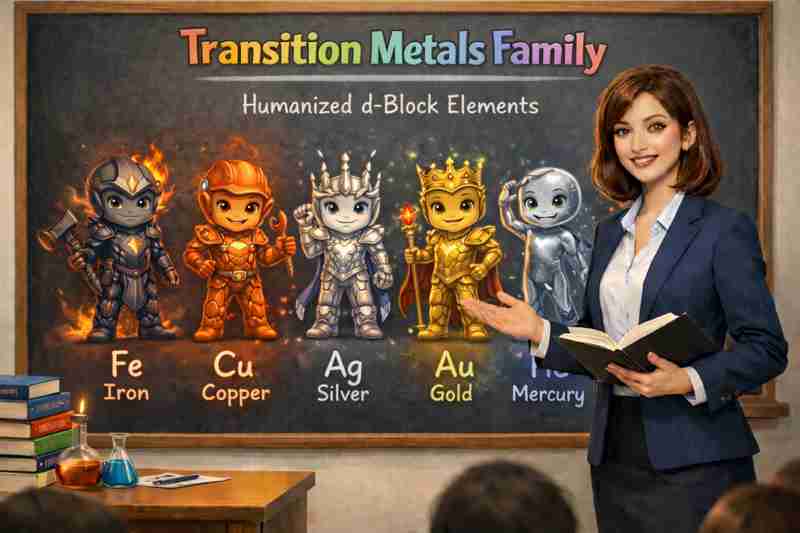
What are Transition Metals | संक्रमण धातुएँ क्या हैं?
What are Transition Metals Periodic Table के d-block elements को सामान्यतः Transition Metals (संक्रमण धातुएँ) कहा जाता है। ये तत्व s-block और p-block के बीच स्थित होते हैं और इसलिए इन्हें “transition” कहा जाता है।
📌 परिभाषा (Definition):
वे तत्व जिनके atom या सामान्य आयन (ion) में d-orbital आंशिक रूप से भरा (partially filled) होता है, transition metals कहलाते हैं।
👉 उदाहरण:
✔ Iron (Fe)
✔ Copper (Cu)
✔ Nickel (Ni)
✔ Chromium (Cr)
✔ Manganese (Mn)
UP Board Chemistry में यह chapter अत्यंत महत्वपूर्ण और scoring माना जाता है।
What are Transition Metals
👉 ऐसे ही सरल और exam-focused Chemistry notes पढ़ने के लिए विजिट करें:
✅ gurugyanam.online
What is Mobile Marketing
Position in Periodic Table | आवर्त सारणी में स्थान
👉 Transition metals Group 3 से Group 12 तक पाए जाते हैं।
Series:
✔ First transition series → Scandium to Zinc
✔ Second transition series → Yttrium to Cadmium
✔ Third transition series → Hafnium to Mercury
📌 इन्हें अक्सर “d-block elements” भी कहा जाता है।
What is Transition Metals
Electronic Configuration | इलेक्ट्रॉनिक विन्यास
Transition metals का general configuration होता है:
👉 (n-1)d¹–¹⁰ ns¹–²
Example:
Fe → [Ar] 3d⁶ 4s²
👉 d और s orbitals की energy लगभग समान होती है, इसलिए electrons आसानी से shift कर सकते हैं।
📌 यही कारण है कि ये elements कई oxidation states दिखाते हैं।
What are Transition Metals
General Characteristics | सामान्य विशेषताएँ
⭐ Hard और strong metals
⭐ High melting & boiling points
⭐ Good conductors of heat and electricity
⭐ Variable oxidation states
⭐ Colored compounds
⭐ Magnetic behavior
⭐ Complex formation
What is Transition Metals
👉 Industrial chemistry में इनका बहुत बड़ा योगदान है।
What are Transition Metals
Physical Properties | भौतिक गुण
✅ 1. High Melting and Boiling Points
Transition metals के atoms के बीच strong metallic bonding होती है।
👉 इसलिए इन्हें पिघलाने के लिए ज्यादा तापमान चाहिए।
What is Transition Metals
✅ 2. High Density
इनका atomic mass ज्यादा होता है।
👉 Example: Osmium — highest density metal।
What is Transition Metals
✅ 3. Good Conductors
✔ Heat
✔ Electricity
👉 Copper wiring इसका best example है।
What is Transition Metals
✅ 4. Metallic Nature
✔ Malleable
✔ Ductile
✔ Lustrous
👉 Engineering materials के रूप में उपयोगी।
What is Transition Metals
Chemical Properties | रासायनिक गुण
अब आते हैं इस chapter के सबसे महत्वपूर्ण हिस्से पर।
Variable Oxidation States | परिवर्ती ऑक्सीकरण अवस्थाएँ
Transition metals की सबसे खास पहचान है — multiple oxidation states।
क्यों?
👉 ns और (n-1)d electrons दोनों bonding में भाग लेते हैं।
What is Transition Metals
Examples:
✔ Iron → +2, +3
✔ Copper → +1, +2
✔ Chromium → +2, +3, +6
✔ Manganese → +2 to +7
📌 Exam Tip:
Manganese shows maximum oxidation states.
What is Transition Metals
Formation of Colored Compounds | रंगीन यौगिक बनाना
Transition metals के compounds अक्सर colorful होते हैं।
Reason:
👉 d–d electronic transitions
जब electron lower energy level से higher level पर jump करता है, तो visible light absorb होती है।
Examples:
✔ CuSO₄ → Blue
✔ KMnO₄ → Purple
✔ K₂Cr₂O₇ → Orange
📌 Direct question आता है।
What is Transition Metals
Magnetic Properties | चुंबकीय गुण
Transition metals paramagnetic होते हैं।
Reason:
👉 Unpaired electrons।
Types of Magnetism:
✔ Diamagnetic → No unpaired electrons
✔ Paramagnetic → Weak attraction
✔ Ferromagnetic → Strong attraction
Example:
Iron, Nickel, Cobalt
👉 Permanent magnets बनाए जाते हैं।
Catalytic Properties | उत्प्रेरक गुण
Transition metals excellent catalysts होते हैं क्योंकि:
✔ Variable oxidation states
✔ Surface adsorption
What is Transition Metals
Examples:
✔ Iron → Haber Process (NH₃ production)
✔ Nickel → Hydrogenation of oils
✔ Vanadium oxide → Contact Process (H₂SO₄)
👉 Industrial reactions faster होती हैं।
📌 Exam favorite topic!
What is Transition Metals
Complex Compound Formation | समिश्र यौगिक निर्माण
Transition metals ligands के साथ coordinate bonds बनाते हैं।
Example:
👉 [Cu(NH₃)₄]²⁺
👉 Coordination number important concept है।
Alloy Formation | मिश्रधातु बनाना
Similar atomic sizes के कारण ये metals आसानी से mix हो जाते हैं।
Examples:
✔ Steel → Iron + Carbon
✔ Brass → Copper + Zinc
✔ Bronze → Copper + Tin
👉 Strong और corrosion-resistant materials।
Interstital Compounds | अंतरास्थिक यौगिक
Small atoms (H, C, N) metal lattice में fit हो जाते हैं।
Properties:
✔ Very hard
✔ High melting point
Example: Steel
What is Transition Metals
Why Are Transition Metals Important? | संक्रमण धातुएँ क्यों महत्वपूर्ण हैं?
✔ Construction
✔ Automobiles
✔ Electronics
✔ Tools
✔ Medical equipment
👉 Modern civilization इन पर आधारित है।
What is Transition Metals
Biological Importance | जैविक महत्व
✔ Iron → Hemoglobin
✔ Zinc → Enzymes
✔ Copper → Blood formation
✔ Cobalt → Vitamin B₁₂
👉 Life processes में essential।
Environmental Impact | पर्यावरणीय प्रभाव
✔ Heavy metal pollution
✔ Water contamination
Examples:
Lead poisoning
Mercury toxicity
👉 Controlled use जरूरी है।
Trends in Transition Metals | संक्रमण धातुओं की प्रवृत्तियाँ
| Property | Trend |
| Atomic Size | Slight change |
| Density | Increase |
| Ionization Energy | Gradual increase |
| Oxidation States | Variable |
📌 Trend-based questions common हैं।
Special Features of Transition Metals | विशेष गुण
⭐ High enthalpy of atomization
⭐ Strong metallic bonding
⭐ Excellent conductors
👉 Engineering backbone।
Common Exceptions | महत्वपूर्ण अपवाद
कुछ elements definition में पूरी तरह fit नहीं होते।
👉 Zinc, Cadmium, Mercury
Why?
✔ d-orbital completely filled।
👉 इसलिए इन्हें true transition metals नहीं माना जाता।
📌 Exam trick question!
Exam Important Points | परीक्षा उपयोगी तथ्य
⭐ d-block elements
⭐ Colored compounds → d–d transition
⭐ Variable oxidation states
⭐ Catalysts
⭐ Alloy formation
👉 Direct questions बनते हैं।
Common Mistakes Students Make | छात्रों की सामान्य गलतियाँ
❌ Zinc को transition metal मान लेना
❌ Oxidation states याद न रखना
❌ Color reason भूलना
👉 Concept clarity जरूरी।
Why Students Must Study Transition Metals? | यह टॉपिक क्यों जरूरी है?
✔ Board exams में repeated
✔ Concept-based
✔ Easy scoring
✔ Real-life examples
👉 Smart preparation का हिस्सा।
Future of Transition Metals | संक्रमण धातुओं का भविष्य
✔ Electric vehicles
✔ Renewable energy
✔ Advanced alloys
✔ Space technology
👉 Technology heavily dependent।
Conclusion | निष्कर्ष
Transition metals chemistry के सबसे महत्वपूर्ण topics में से हैं। इनके बिना modern industry, transportation और technology की कल्पना भी नहीं की जा सकती।
UP Board students को oxidation states, colored compounds, catalysts और alloys जरूर याद रखने चाहिए। यह chapter conceptual, practical और scoring है।
👉 ऐसे ही सरल और exam-focused Chemistry notes पढ़ने के लिए विजिट करें:
✅ gurugyanam.online
FAQs – What is Transition Metals (संक्रमण धातुएँ
Q1. Transition metals क्या हैं?
Ans. Partially filled d-orbitals वाले तत्व।
Q 2. किस block में होते हैं?
Ans. d-block।
Q3. Groups कौन से?
Ans. 3–12।
Q 4. Variable oxidation क्यों?
Ans. d और s electrons।
Q 5. Colored compounds क्यों?
Ans. d–d transition।
Q6. Catalyst example?
Ans. Iron।
Ans. Q 7. Alloy क्या है?
Ans. Metal mixture।
Q 8. Paramagnetic क्यों?
Ans. Unpaired electrons।
Q9. Steel किसका alloy है?
Ans. Iron।
Q10. Haber process catalyst?
Ans. Iron।
Q11. KMnO₄ color?
Ans. Purple।
Q12. CuSO₄ color?
Ans. Blue।
Q 13. Zinc transition metal है?
Ans. नहीं (true नहीं)।
Q 14. Complex compound क्या है?
Ans. Ligand + metal।
Q15. Biological role?
Ans. Hemoglobin।
Q 16. Density कैसी?
Ans. High।
Q 17. Melting point?
Ans. High।
Q18. Magnetic metals example?
Ans. Iron।
Q19. Industrial importance?
Ans. Very high।
Q20. Easy chapter है?
Ans. हाँ, scoring।
👉 ऐसे ही सरल और exam-focused Chemistry notes पढ़ने के लिए विजिट करें:
✅ gurugyanam.online










[…] What are Transition Metals […]